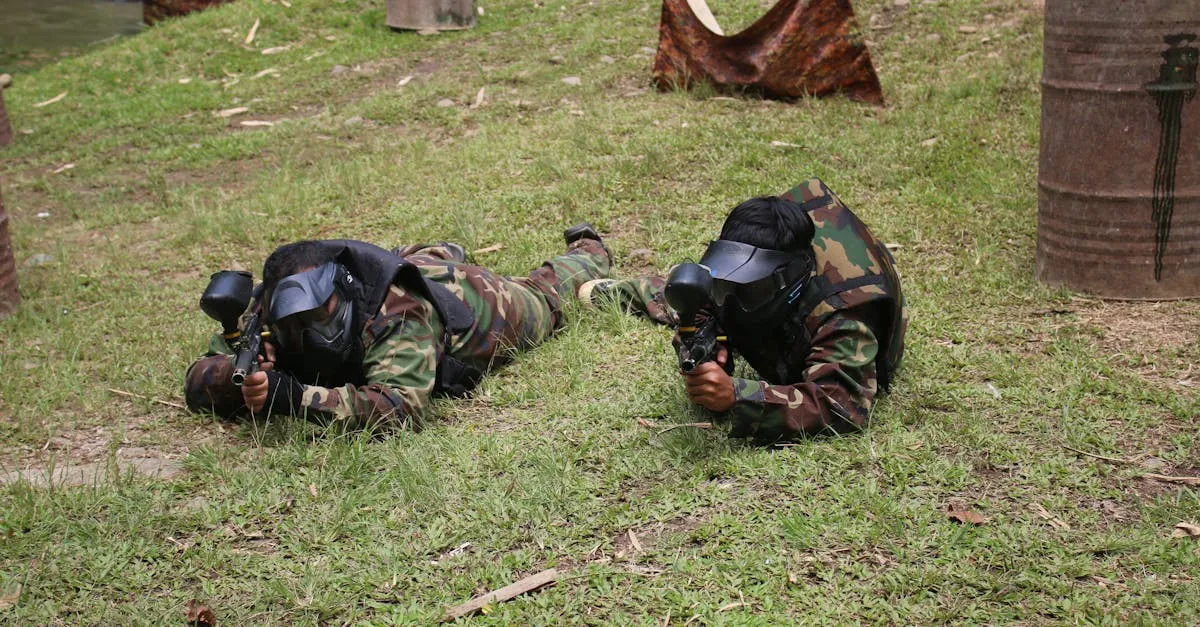
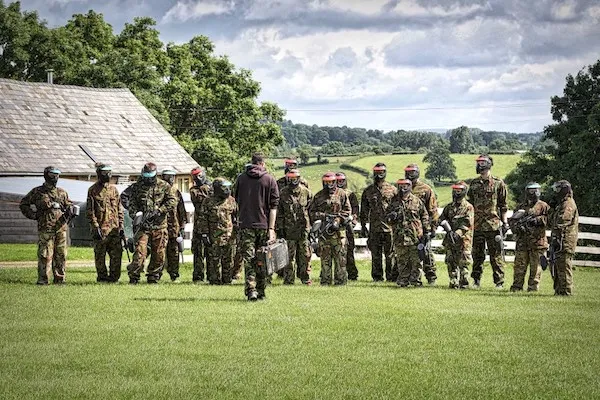
What are the different types of paintball games? The main types of paintball games are Capture the Flag, Elimination, King of the Hill, Attack and Defend, Speedball, Woodsball, and MilSim scenarios. Each game mode has its own pace, rules, and strategy, so knowing the formats helps you pick the right one and show up ready to compete.
| Game Type | Players | Objective | Pace |
|---|---|---|---|
| Capture the Flag | Two teams | Grab enemy flag, return to base | Moderate |
| Center Flag | Two teams | Rush to grab single mid-field flag | Fast |
| Elimination | Two teams | Last team standing wins | Varies |
| Last Man Standing | Free-for-all | Last individual standing wins | Fast, chaotic |
| Speedball | 3, 5, or 7 per side | Eliminate opponents on symmetrical field | Relentless |
| X-Ball | 5 per side | Score the most points in timed periods | Relentless |
| Woodsball | Any size | Varies by format, played in natural terrain | Slower, tactical |
| Scenario / MilSim | Dozens to thousands | Complete storyline-driven objectives | Sustained, all-day |
| King of the Hill | Two teams | Hold a control point the longest | Constant |
| Attack and Defend | Two teams | Attackers take position before time expires | Moderate to fast |
Here is a breakdown of the most popular types of paintball games you will find at fields, tournaments, and private events.
Capture the Flag
Capture the Flag (CTF) is the game mode most people picture when they think of paintball. Two teams start at opposite ends of the field, each defending a flag. Your goal is to push into enemy territory, grab their flag, and carry it back to your base without getting eliminated.
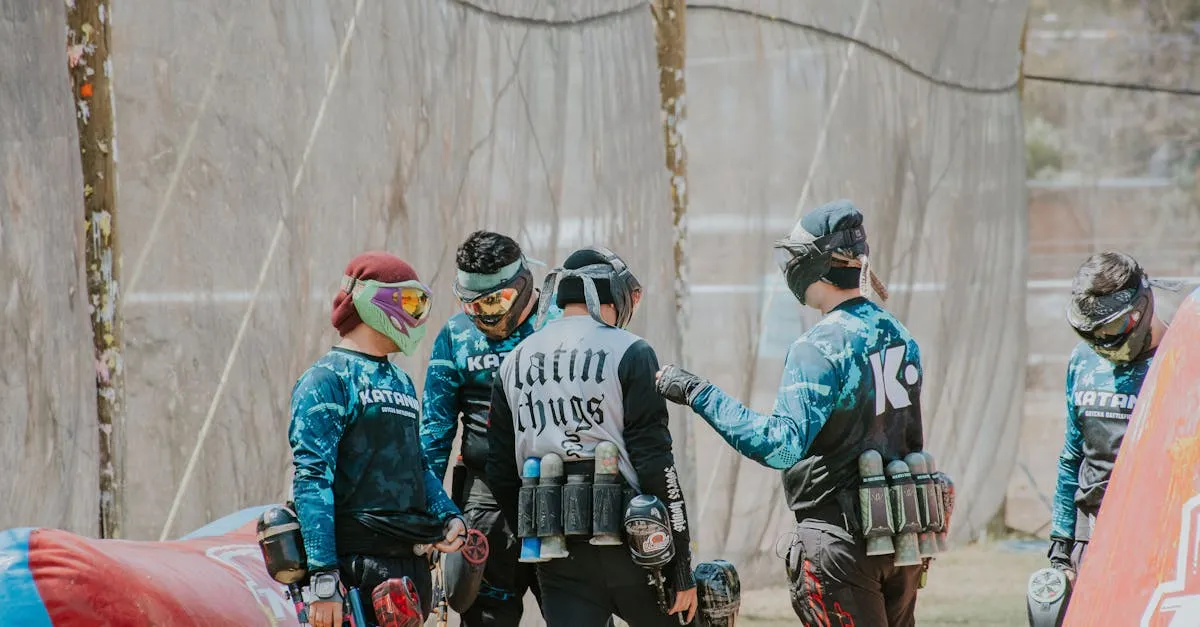
CTF rewards teamwork above all else. You need players willing to push forward, players holding defensive positions, and someone fast enough to make a flag run when the opening appears. Communication is everything. If you are new to paintball, CTF is one of the best modes to start with because the objective is simple and the action stays focused. Check out our guide to playing paintball for a full rundown of what to expect on game day.
Center Flag
A popular variation puts a single flag at the midpoint of the field. Both teams rush toward it at the start, and the first team to grab the flag and hang it at the opposing team’s base wins. Center Flag games tend to be shorter and more intense since there is no defensive phase. You are attacking from the first whistle.
Elimination
Elimination is paintball stripped down to its core. Two teams face off, and the last team with players still standing wins. There are no flags, no objectives, and no respawns. Once you are hit, you walk off the field.
This mode puts a premium on marksmanship, positioning, and knowing when to be aggressive versus when to hold your ground. Games can end in under five minutes or stretch into drawn-out standoffs depending on how the teams play. Familiarize yourself with the rules of paintball before jumping into elimination matches, since there is no room for confusion once the game starts.
Last Man Standing
A free-for-all twist on elimination where every player is on their own. No teams, no allies. The last person left on the field wins. It is chaotic, fast, and a great way to sharpen your individual skills.
Speedball
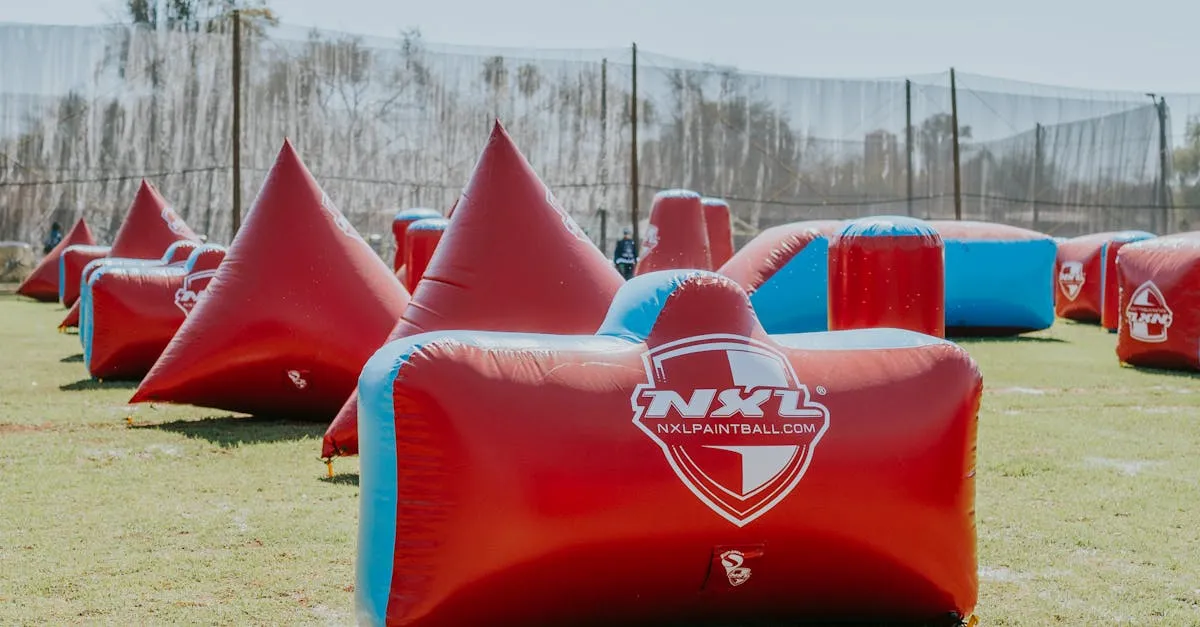
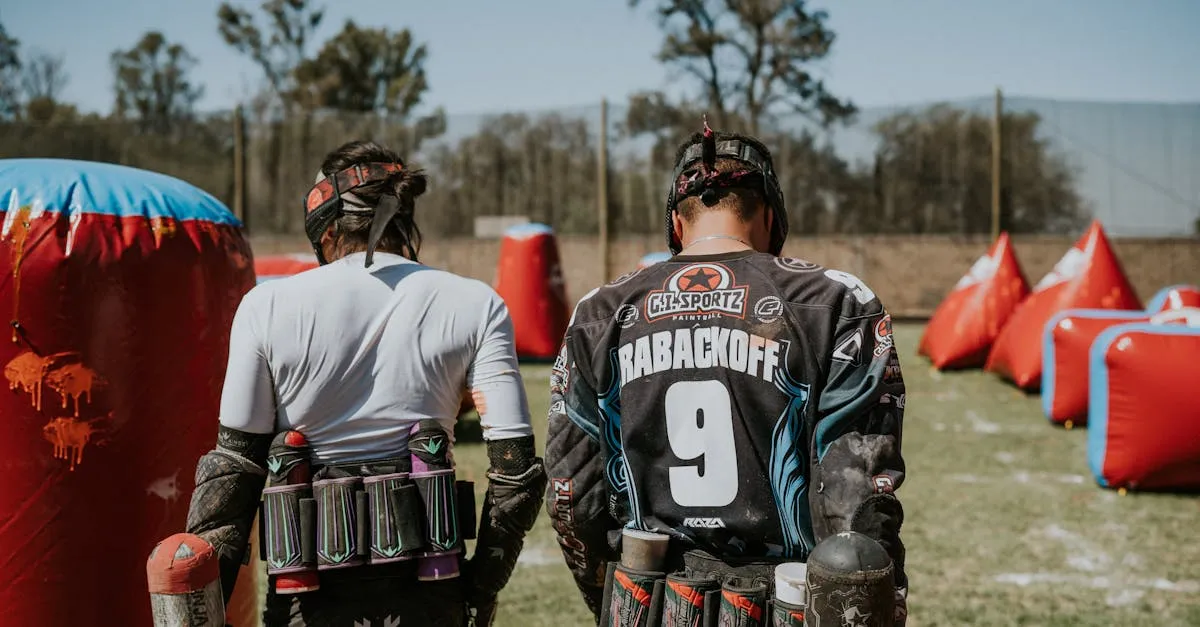
Speedball is the tournament side of paintball. Games happen on small, flat, symmetrical fields filled with inflatable bunkers. Teams are usually three, five, or seven players, and rounds last just a few minutes. The pace is relentless.
Because the field is symmetrical, neither team has a terrain advantage. Wins come down to coordination, snap shooting, and the ability to read your opponents’ movements in real time. Speedball is where competitive paintball lives, and it is the format used in professional leagues like the NXL.
If you want to understand what makes this format tick, read our deep dive on how to play speedball. And if you are trying to decide which style suits you, our speedball vs. woodsball comparison lays out the key differences.
X-Ball
X-Ball is the competitive format used in most professional paintball. It plays like speedball but adds a scoring system. Teams play multiple points within a set time period, and the team with the most points at the end wins. Think of it like quarters in basketball. X-Ball demands endurance and consistency on top of raw skill.
Woodsball
Woodsball is paintball played in natural terrain: forests, fields, creek beds, and hills. Fields are large, asymmetrical, and full of natural cover. Games can involve anywhere from a handful of players to several hundred.
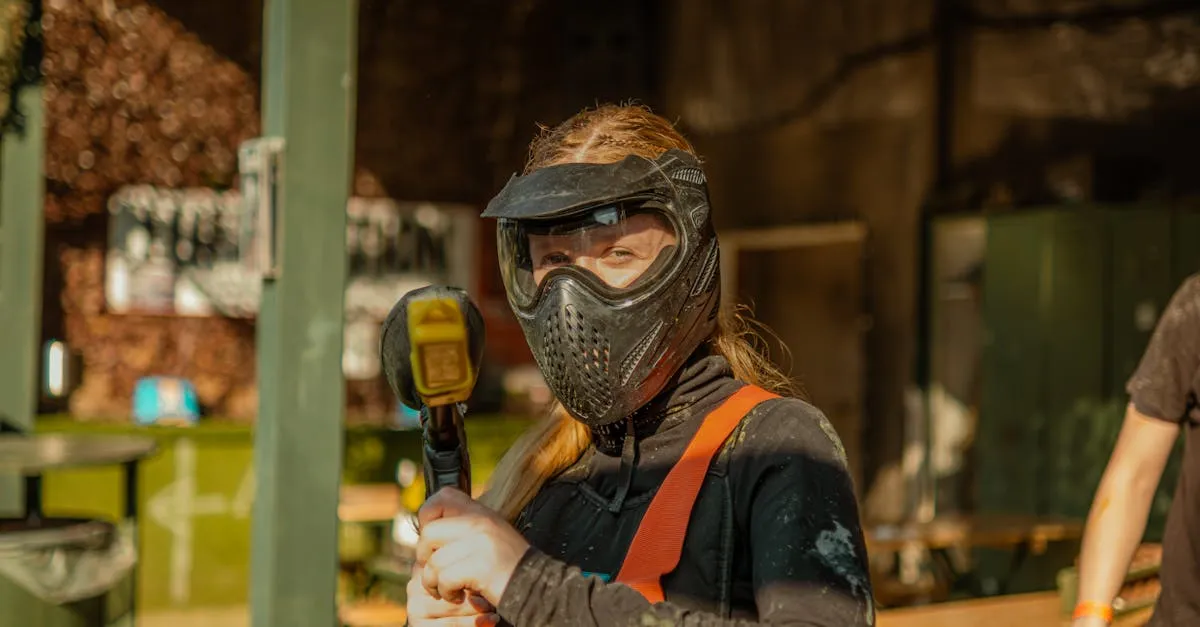
The bigger field and natural environment change the game completely. Stealth matters. Patience matters. You can set ambushes, use terrain to flank, and engage at distances that would be impossible on a speedball field. Woodsball also tends to attract players who enjoy the gear side of the sport, running milspec markers, wearing camouflage, and customizing loadouts.
Our guide to playing woodsball covers everything from marker selection to movement tactics in the woods.
Scenario and MilSim Games
Scenario games build a story around the action. Players take on roles, follow mission objectives, and work through a narrative that unfolds over the course of the event. Themes range from historical battles and zombie outbreaks to original storylines written by event organizers.
MilSim (military simulation) is the most structured end of the scenario spectrum. These events emphasize realistic tactics, chain of command, and mission-based objectives like capturing positions, rescuing hostages, or escorting VIPs. Some MilSim events run for 24 hours or longer, with hundreds of players on the field.
Scenario and MilSim games are where paintball gets cinematic. They attract players who want more than just shooting. They want an experience. For a closer look at how these events work and what to expect, see our guide to paintball scenario games.
Big Games
Big games are large-scale scenario events that can draw 500 or more players to a single field. They typically run all day or across an entire weekend, with multiple objectives happening simultaneously across a massive playing area. Teams coordinate by radio, and generals direct strategy from command posts. If you want paintball at its most epic, big games deliver.
King of the Hill
King of the Hill puts a single control point on the field, usually a bunker, structure, or hilltop. Teams fight to hold that position, and the team that controls it the longest wins. Some variations use a timer that only counts while your team holds the point. Others award points for every minute of control.
This mode creates a constant tug of war. Holding the hill means exposing yourself to fire from multiple angles, so teams need to rotate players, set up covering fire, and coordinate pushes to retake the position when they lose it. It is one of the most physically demanding game types because you are always either attacking or defending under pressure.
Attack and Defend
In attack and defend, one team holds a fortified position while the other team tries to take it within a time limit. If the attackers succeed, they win. If time runs out, the defenders win. Teams switch sides after each round so everyone gets a turn on both sides.
This asymmetrical format creates a different experience depending on your role. Defenders get to set up positions and wait for the push. Attackers have to coordinate movement, use smoke or suppressive fire, and commit to aggressive plays. It is a staple at woodsball fields and scenario events.
Finding Your Game
Every paintball game type tests different skills. Speedball rewards reflexes and teamwork under pressure. Woodsball rewards patience and fieldcraft. Scenario games reward planning, communication, and endurance. The best way to figure out what you enjoy is to try as many modes as you can.
If you are just getting started, begin with the basics of how to play paintball and then branch out from there. The field you visit will likely run several of these game types on any given day, so you will get to sample more than one style in a single outing. For game-length expectations across formats, see how long is a paintball game.